

جوهر الإفصاح
Material topics are topics that represent the organization’s most significant impacts on the economy, environment, and people, including impacts on their human rights. They are not simply the issues that are most important to the organization’s strategy, financial performance, enterprise risks or communications.
The material topics reported under GRI 3-2 must be the final organization-wide topics resulting from the process reported under GRI 3-1. An internal risk register, departmental priority list, stakeholder-concern list or Board agenda should not be used as the GRI 3-2 list unless it has been assessed and confirmed through the GRI impact-materiality process.
The organization must report every topic it has determined to be material. It should not publish only a top-ten list, a financially material subset, topics supported by available data, or topics selected for external communication. Material topics cannot be deprioritized because they are not considered financially material.
Topic names can use the terminology of GRI Topic Standards, GRI Sector Standards or organization-specific wording. The names should be clear, consistent and sufficiently specific to communicate the impacts represented by the topic.
The organization can group material topics by relevant categories where this improves communication. It can also identify which material topics represent negative human rights impacts. Grouping should not obscure the individual topics.
The organization must report changes to the list compared with the previous reporting period. It should identify topics that were added, removed, merged, split, renamed or reclassified. If there were no changes, it should state this directly. If this is the first reporting period, it should state that no previous list exists for comparison.
Identifying the changes is mandatory. Explaining why a topic was added or removed is Guidance and is recommended for transparency but is not a separate mandatory sub-requirement.
The material topics listed under GRI 3-2 must also be included in the GRI content index. A content-index entry that only gives the location of the GRI 3-2 disclosure does not replace the requirement to include the material-topic list in the index.
Where a GRI Sector Standard applies, the organization must review every topic in that Sector Standard. Topics from the applicable Sector Standard determined not material must be listed separately in the GRI content index with a brief explanation of why they are not material. They should not be included in the material-topic list and should not be silently omitted.
The process used to determine the topics is reported under GRI 3-1. The organization’s management of each topic is reported under GRI 3-3. Approval records, topic definitions and change reasons are useful evidence but are not additional GRI 3-2 datapoints.
GRI 3-2 does not require a materiality matrix, topic count, ranking, score, percentage, headline value or quantitative table. Such information can be included as additional context but does not replace the complete list and the change statement.
Required qualitative information should not be estimated. Reasons for omission are not permitted for Disclosure 3-2. An organization reporting in accordance with the GRI Standards must report both the complete material-topic list and the comparison with the previous reporting period.
تدعم هذه المواد التعليمية من LRA إعداد الإفصاح. وللاطلاع على المتطلبات الدقيقة، ارجع دائمًا إلى المصدر الرسمي لـ Global Reporting Initiative.
جهّز
ما يجب جمعه قبل الصياغة
ضع علامة على كل حقل عند وصول الأدلة. المسؤولون هم الفرق التي تحتفظ عادةً بالملفات المصدرية.
-
Material topics list
Sustainability reportingList every organisation-wide topic determined to be material through the GRI 3-1 impact-materiality process.
الأدلة Approved final material-topic register, GRI 3-1 process output and GRI content index.
انتبه إلى The published response for material topics list is incomplete or does not match the supporting records.
-
Material topics changes
Sustainability reportingIdentify topics added, removed, merged, split, renamed or reclassified, or state that there were no changes or no prior-period list.
الأدلة Prior- and current-period topic lists, change bridge, definitions and approval record.
انتبه إلى The published response for material topics changes is incomplete or does not match the supporting records.
قبل أن تبدأ
- Use the final organisation-wide list resulting from GRI 3-1; do not substitute a risk register, departmental priority list, stakeholder-concern list or Board agenda.
- If a GRI Sector Standard applies, list its topics determined not material separately in the content index with a brief explanation; do not include them in the material-topic list.
- Have the supporting records and the final response been reconciled?
كيفية إعداده
اطلب البيانات
Request the disclosure evidence
حوّل الإفصاح إلى سؤال عمل داخلي، ثم كيّفه بما يتوافق مع مصطلحات مؤسستك.
Provide the approved complete material-topic list, the prior-period list and change bridge, topic definitions, applicable Sector Standard assessment and the draft GRI content index.
Use the organisation's own role and document names, but preserve the defined GRI terms and the scope described above.
طلب أفضل
Provide the approved complete material-topic list, the prior-period list and change bridge, topic definitions, applicable Sector Standard assessment and the draft GRI content index.
صُغ إفصاحك
ملاحظات تحوّل البيانات إلى إفصاح
نماذج تدريبية من LRA — كيّفها بما يناسب مؤسستك وتحقّق من المصدر الرسمي قبل الإقرار النهائي.
ملاحظة منهجية
Confirm that every listed topic represents one or more of the organisation's most significant impacts and that no topic was removed because it lacked financial materiality or available data.
ملاحظة سياقية
Identify changes even when no topics changed. Reasons for additions or removals are recommended Guidance, not a separate mandatory sub-requirement.
مُدخل في فهرس المحتوى
Include the complete material-topic list in the GRI content index. Reasons for omission are not permitted for GRI 3-2.مركز التنزيلات
أدوات ونماذج الإعداد
نزّل أدوات إعداد GRI 3-2 مجانًا لمدة 24 ساعة بعد تأكيد البريد الإلكتروني. تظل روابط التقارير الأصلية متاحة للجميع.
تحقّق
لكل ادعاء، تحقّق من الأدلة
Material topics list is reported accurately and completely.
المخاطر The response omits, misclassifies or overstates material topics list.
الأدلة الواجب فحصها Approved final material-topic register, GRI 3-1 process output and GRI content index.
Material topics changes is reported accurately and completely.
المخاطر The response omits, misclassifies or overstates material topics changes.
الأدلة الواجب فحصها Prior- and current-period topic lists, change bridge, definitions and approval record.
حزمة الأدلة المطلوب إعدادها
الثغرات الشائعة في التقارير
- Publishing a top-ten, financially material or communications-selected subset.
- Omitting the explicit no-change statement.
- Treating change reasons, approval details or topic scores as mandatory datapoints.
- Silently omitting applicable Sector Standard topics determined not material.
- Using a matrix, ranking or topic count instead of the complete list and change statement.
تقارير حقيقية
How 3 companies report it
أمثلة على ممارسات إفصاح كاملة وجزئية. هذه تحليلات قائمة على الأدلة، وليست نماذج جاهزة للنسخ.

Diamond Biofund Inc.
Partial
Interconexión Eléctrica S.A. E.S.P.
Partial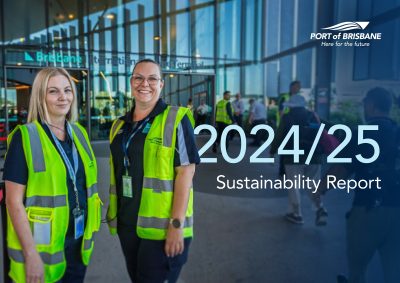
Port of Brisbane Pty Ltd
Exact| الحقل | Diamond Biofund Inc. | Interconexión Eléctrica S.A. E.S.P. | Port of Brisbane Pty Ltd |
|---|---|---|---|
| Material topics list | غير موجود | غير موجود | غير موجود |
| Material topics changes | غير موجود | غير موجود | جزئي |

اسأل مساعد Knowledge Hub الذكي عن هذا الإفصاح
احصل على إجابات عملية تناسب سياق إعداد تقاريرك.
تحقق من نصك
الصق فقرة أو فقرتين. يُستخدم المقتطف لهذا الفحص فقط ولا يُحفظ في محادثتك.
تستخدم مقارنة النظراء أمثلة هذه البطاقة، وليس مدى انتشارها في مجموعة التقارير.
إرشاد وليس تأكيداً
مراجع الإطار
متطلبات GRI ذات الصلة والإفصاحات المرتبطة
GRI
GRI 3-2
ضمن GRI 3: Material Topics
Guides that settle this question
ذات صلة واستكشاف
المزيد في GRI 3 ←تصفّح الفهرس الكامل ←ابحث في جميع الإفصاحات ←