N-ESRS Takes Shape
EFRAG’s latest N-ESRS draft sets out a proposed reporting structure for non-EU groups with significant EU activity. It is narrower than full ESRS and focuses on impacts, value chain information and reporting boundaries.

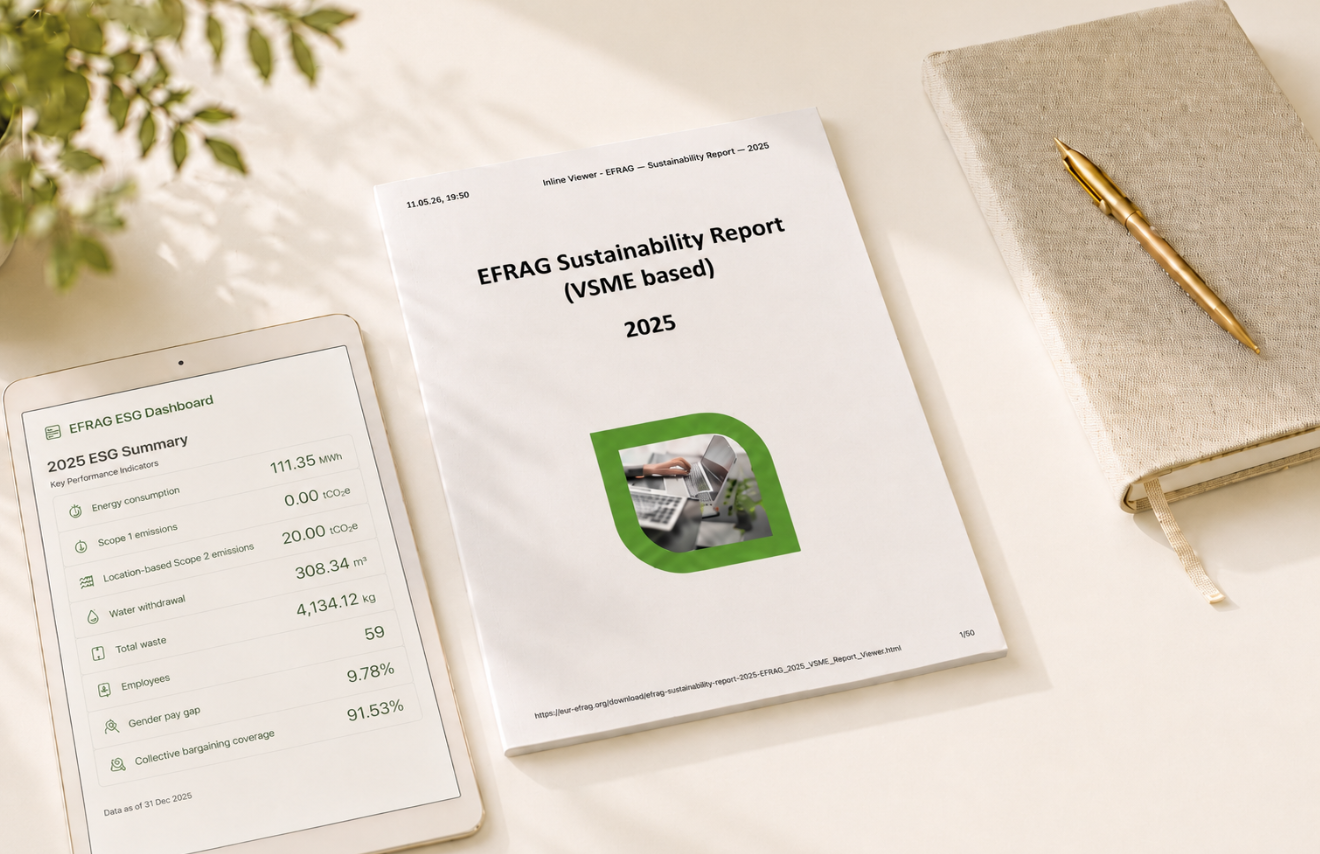
EFRAG has now moved the European Sustainability Reporting Standards for Non-EU Groups (N-ESRS) from preview into detailed drafting and testing. The draft sets out a proposed approach to Article 40a reporting: an impact-focused sustainability report at ultimate third-country parent level, with a possible EU-related boundary for non-climate impacts.
The shift is from simplified ESRS architecture to group-level impact reporting.
A Specialised Impact Standard
N-ESRS is being built from Simplified ESRS, but it is not a lighter copy of ESRS. It adapts that text for third-country parent groups that fall within Article 40a of the Accounting Directive, as amended by the Corporate Sustainability Reporting Directive (CSRD) and Omnibus I Directive.
The draft keeps the ESRS-style architecture, but narrows the reporting objective. N-ESRS focuses on material impacts on people and the environment, and on how the undertaking manages them.
Impact materiality is the basis for N-ESRS reporting. The full ESRS double-materiality approach does not apply. Risks, opportunities and anticipated financial effects are not central to the N-ESRS baseline, although the draft does not exclude reporting on impacts that do or may result in sustainability-related risks and opportunities.
Status and Scope
The draft remains unapproved and subject to EFRAG’s due process. EFRAG expects a 100-day public consultation to start in the second half of July 2026, with technical advice to the European Commission expected by January 2027. The first N-ESRS sustainability reports are expected in 2029, for financial year 2028, in line with the Article 40a timeline.
The scope is aimed at non-EU companies not listed on EU regulated markets with significant EU activity. The draft thresholds are EU net turnover above EUR 450 million for each of the last two consecutive financial years, plus an EU branch or EU subsidiary with net turnover above EUR 200 million in the preceding financial year.
The report is prepared at the level of the ultimate third-country parent group, even if the EU subsidiary or branch is the entity that publishes it. This means that the information needed for the report may have to come from across the wider group, not only from EU operations.
The draft also preserves an alternative route. A non-EU ultimate parent may apply full ESRS, or standards recognised as equivalent, and in that case the relevant EU subsidiaries or branches would not have to publish a separate N-ESRS report if the assurance and accessibility conditions are met.
If the EU subsidiary or branch cannot obtain all necessary information from the parent, it must publish the information available to it and state that the parent did not provide the necessary information. The report must be accompanied by an assurance opinion. If that opinion is missing, this must be clearly stated.
Mixed Approach as a Boundary Question
The mixed approach is where the draft becomes most specific about reporting boundaries. For topics other than climate change, the undertaking may limit reporting to EU-related impacts, but only where its operations, value chain or product and service offering allow those impacts to be meaningfully identified.
Where this option is used, the undertaking has to describe how it determined the EU-related impacts for topical standards other than N-ESRS E1 Climate Change.
The EU-related boundary is built around two categories: impacts from products and services sold or assumed to be sold in the EU market, including through downstream value chain actors, and impacts from activities located in the European Union.
Climate-related impacts fall outside this option. This makes the mixed approach a boundary and evidence exercise, not a simple choice to report only on EU operations.
Practical Focus
At this stage, the draft is most useful as a scoping document. Non-EU groups that may fall within Article 40a can use it to test the likely reporting perimeter: a report prepared at ultimate third-country parent group level, with publication potentially handled through an EU subsidiary or branch.
The next test is materiality. The draft points to an impact materiality assessment covering topics or sub-topics, value chain information and the level of aggregation used. If the mixed approach is retained, groups would also have to explain the basis for the EU-related reporting boundary.
Existing reporting may help, but only within limits. Incorporation by reference could reduce duplication where referenced information is identifiable, timely, appropriately translated, assured and digitally accessible.
The draft is also useful for comparing possible reporting routes: N-ESRS with a global scope, the mixed approach, full ESRS, or an equivalent standards route where recognised. Each route would affect data availability, controls and assurance in different ways.
What to Watch Next
EFRAG’s next steps are consultation, field testing and technical advice to the European Commission. The key issue is how much the current structure will change through that process, especially on reporting perimeter, interoperability, EU law references and the use of information already reported elsewhere.