

Singapore Proposes Climate-First Disclosure Standards
Singapore is moving towards a national disclosure framework that preserves the ISSB baseline while adapting it to a climate-first implementation model. The proposals clarify how reporting and assurance requirements could develop across different company categories.
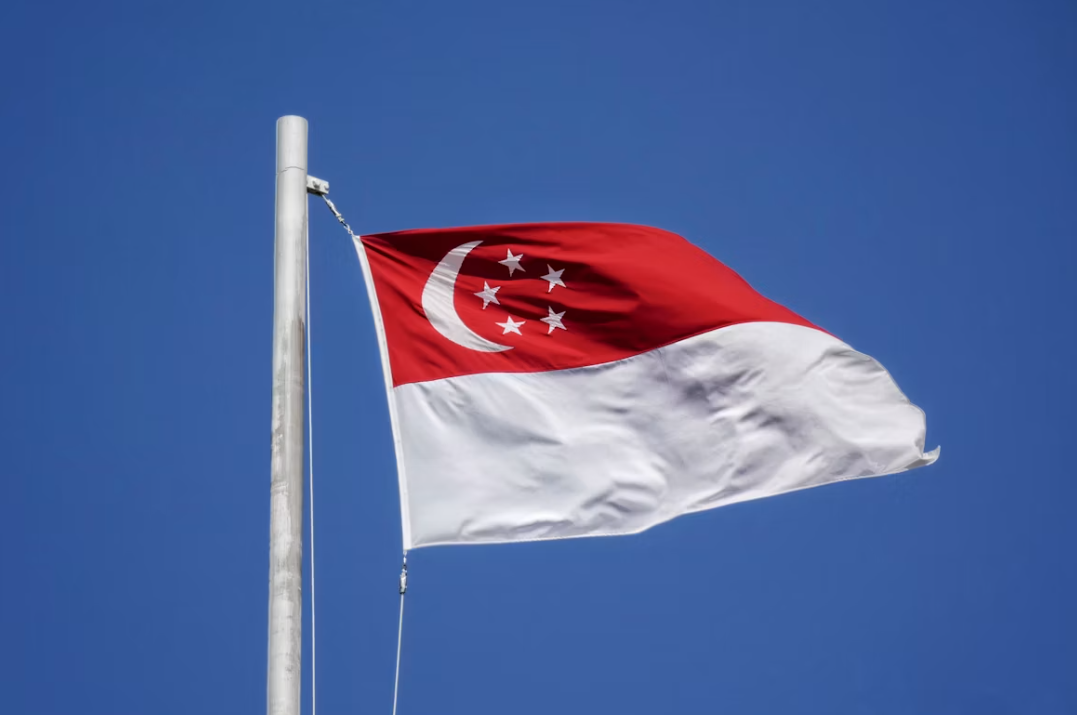
The Accounting and Corporate Regulatory Authority (ACRA) has opened consultation on exposure drafts of the Singapore Sustainability Disclosure Standards (SDS). The proposals would create an ISSB-aligned national framework adapted to Singapore’s phased climate reporting roadmap.
The central structural shift from the ISSB model is that SFRS S2 would operate as a standalone mandatory climate standard for in-scope companies, while broader sustainability reporting under SFRS S1 would remain voluntary at this stage.
A Singapore-Specific ISSB Architecture
The consultation runs from 27 July to 25 October 2026. It covers draft Singapore Financial Reporting Standards (SFRS) S1 General Requirements for Disclosure of Sustainability-related Financial Information and SFRS S2 Climate-related Disclosures.
The Interim Sustainability Standards Committee (Interim SSC) developed both drafts from IFRS S1 and IFRS S2. Its approach is to preserve global comparability and connectivity with financial reporting while reflecting Singapore’s policy objectives and implementation context.
Selected climate-relevant requirements from SFRS S1 are incorporated into Appendix D to SFRS S2. Content already covered by SFRS S2 or not relevant to climate-only reporting is omitted, enabling companies subject to mandatory climate reporting to use SFRS S2 as a standalone standard.
SFRS S1 would cover sustainability-related risks and opportunities beyond climate but remain voluntary at this stage. The draft acknowledges that future mandatory requirements for other sustainability topics could lead to its revision or replacement.
Draft SFRS S2 also incorporates the amendments to IFRS S2 issued by the International Sustainability Standards Board (ISSB) in December 2025, ensuring that the standard reflects the most current version upon first publication. The amendments address greenhouse gas emissions disclosure requirements and are intended to reduce complexity, the risk of duplicative reporting and the cost of applying those requirements without significantly reducing the usefulness of the information.
Consultation Before Formal Issuance
ACRA is preparing the legislation needed to implement Singapore’s climate reporting and assurance requirements.
After the consultation, the Interim SSC will consider the feedback and finalise the standards. A formally constituted Sustainability Standards Committee will issue the final Singapore SDS after the necessary legislation is passed.
Until then, listed companies will continue reporting under their existing Singapore Exchange Regulation (SGX RegCo) obligations, including the requirement to apply the ISSB Standards.
The Singapore SDS are expected to apply from financial years beginning on or after 1 January 2028 for listed companies and 1 January 2030 for large non-listed companies. These dates are separate from the phased climate reporting obligations already introduced under the existing roadmap.
Four Reporting and Assurance Tracks
The roadmap applies to Singapore-incorporated companies subject to mandatory climate reporting requirements. Large non-listed companies are companies limited by shares that are not listed on the Singapore Exchange and have annual revenue of at least S$1 billion and total assets of at least S$500 million.
The timetable distinguishes four reporting and assurance requirements:
- Scope 1 and Scope 2 greenhouse gas emissions: mandatory for all listed companies from FY2025 and for large non-listed companies from FY2030.
- Other ISSB-based climate-related disclosures: mandatory for Straits Times Index (STI) constituents from FY2025; for non-STI constituent listed companies with market capitalisation of at least S$1 billion from FY2028; and for non-STI constituent listed companies below S$1 billion and large non-listed companies from FY2030.
- Scope 3 greenhouse gas emissions: mandatory for STI constituents from FY2026 and voluntary for the other listed and large non-listed company categories.
- External limited assurance over Scope 1 and Scope 2 emissions: mandatory for listed companies from FY2029 and for large non-listed companies from FY2032.
Classification is generally based on STI constituent status as at 30 June 2025 and, for non-STI issuers, market capitalisation as at close of market on that date. A company meeting the S$1 billion threshold on that date remains within the FY2028 category even if its market capitalisation later declines.
The FY2026 Scope 3 requirement also continues to apply to a company that was an STI constituent on 30 June 2025, even if it later leaves the index. For an issuer listed after that cut-off date with market capitalisation of at least S$1 billion as at close of market on its listing date, the requirement applies from the later of FY2028 or its first full financial year after listing.
Targeted Changes to the ISSB Model
The proposals make three changes to the transition reliefs in the ISSB Standards.
First, the timing of reporting relief in IFRS S1 would be removed. Companies would not be allowed to publish sustainability-related financial disclosures later than the related financial statements during their first reporting year. This supports concurrent reporting and closer connectivity between sustainability and financial information.
Second, the climate-first relief in IFRS S1 would also be removed. The relief would have no practical role because SFRS S1 would remain voluntary, while mandatory climate reporting would be governed by SFRS S2.
Third, the one-year IFRS S2 relief for Scope 3 emissions would become an ongoing relief for companies not yet subject to mandatory Scope 3 reporting. This would allow ACRA and SGX RegCo to extend the requirement through legislation or listing rules as market readiness develops, without amending SFRS S2.
The proposals also address statements of compliance. An entity would make an explicit and unreserved statement of compliance with SFRS S2 in respect of the mandatory requirements applicable to its reporting category and phase. An entity voluntarily applying SFRS S1 could state compliance with the full suite of Singapore SDS.
SGX RegCo currently encourages, but does not require, listed companies to make a statement of compliance with the ISSB Standards. It intends to review this position when aligning its Listing Rules with the final Singapore SDS.
A separate change concerns the SASB Materials. References to the SASB Standards and IFRS S2 Industry-based Guidance would change from “shall refer to and consider” to “may refer to and consider”. They would remain available as industry-specific guidance, but their consideration would no longer be mandatory.
Assurance Capability Alongside Reporting
Alongside the consultation, ACRA launched the Sustainability Assurance Body of Knowledge (SA BOK). It defines the key competencies required for sustainability assurance and is intended to guide training providers in developing programmes aligned with key global standards.
ACRA will work with the Skills and Workforce Development Agency (SWDA) and training providers to develop programmes aligned with the SA BOK. The initiative supports capability-building ahead of the planned introduction of limited assurance over Scope 1 and Scope 2 emissions.
What Remains Open
The consultation tests whether close ISSB alignment can be maintained within a national model that changes the standards’ structure, legal status and transition mechanics. For multinational preparers, the common baseline may support comparability, while Singapore-specific rules will still shape classification, compliance statements and the use of SASB Materials.
The core direction is clear, but the final structure, wording, effective dates and supporting guidance remain subject to consultation feedback, legislation and formal issuance.