GRI Pollution Reporting Standards: Addressing Air, Soil, and Critical Incidents
A new set of GRI exposure drafts could soon reshape how organisations report on pollution across air, soil and critical incidents. The focus shifts from isolated disclosures on emissions and spills to a more structured approach that brings together management, targets, incidents and remediation under a single pollution project.
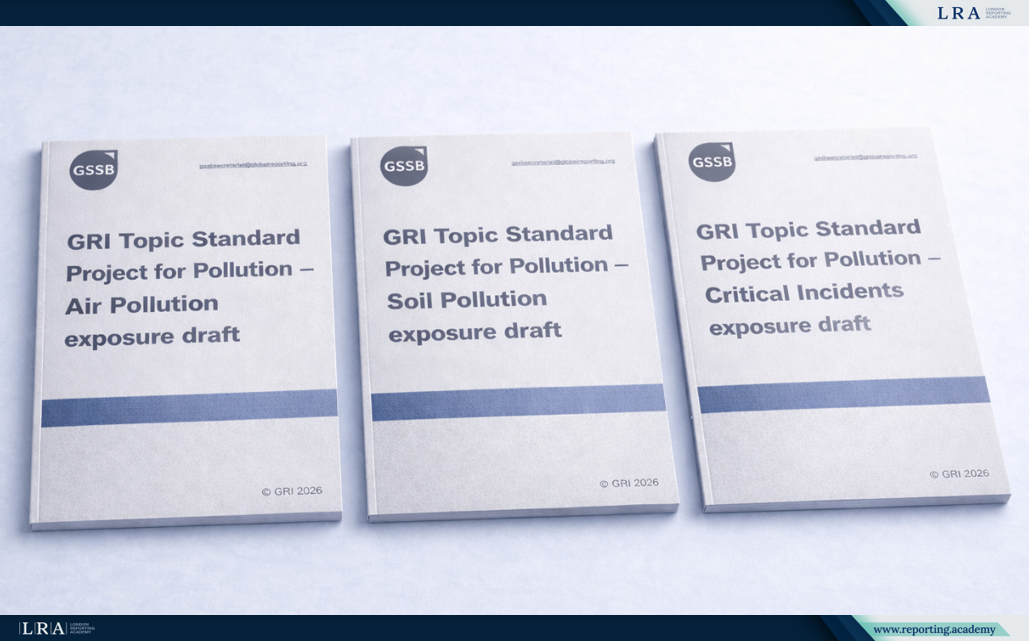
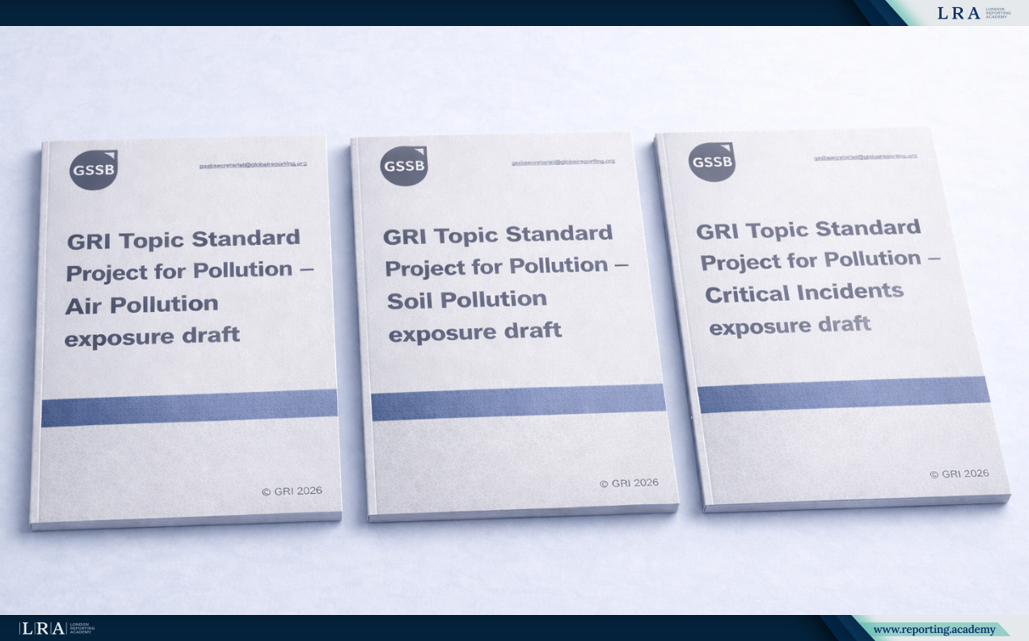
The Global Reporting Initiative (GRI) has released exposure drafts for new pollution-related reporting standards covering air pollution, soil pollution and critical incidents, now open for public comment until 8 June 2026. These drafts form part of the GRI Topic Standard Project for Pollution and are intended to update and expand existing pollution disclosures in line with internationally agreed best practices. The shift is from disclosing individual pollutants in isolation towards managing pollution as an integrated reporting topic across air, soil and critical incidents.
New Exposure Drafts for Pollution Reporting
In March 2026, the Global Sustainability Standards Board (GSSB) launched three exposure drafts under the GRI Topic Standard Project for Pollution, covering air pollution, soil pollution and critical incidents. The air pollution draft (GRI AP: Air Pollution 202X) is intended to replace and expand Disclosure 305‑7 in GRI 305: Emissions 2016. It introduces four disclosures:
- AP‑1: management of air pollutant emissions;
- AP‑2: air pollutant emissions reduction targets and progress;
- AP‑3: air pollutant emissions data;
- AP‑4: incidents related to air pollutant emissions, including non-compliance events and the percentage of sites with permits.
The exposure draft sets out a detailed list of air pollutants to be reported, including nitrogen oxides (NOx), sulphur oxides (SOx), particulate matter (PM2.5 and PM10), black carbon, volatile organic compounds (VOCs), hazardous air pollutants (HAPs) and persistent organic pollutants (POPs), which significantly expands data requirements compared with the current GRI 305-7.
The soil pollution draft (GRI SP: Soil Pollution 202X) introduces a brand-new Topic Standard that requires organisations to report how they manage soil pollution (SP-1), disclose soil pollutants released by type, site, activity and country (SP-2) and provide information on soil pollution incidents, limits and remediation, including soil remediation actions and progress against reduction targets (SP-3).
The critical incidents draft (GRI CI: Critical Incidents 202X) replaces Disclosure 306-3 Significant spills in GRI 306: Effluents and Waste 2016 and broadens the scope to all low-probability, high-consequence critical incidents across the organisation and its value chain, including those caused by natural events or human activities, whether or not they involve pollution. The critical incidents standard introduces four disclosures:
- CI-1 on policies and plans for prevention, preparedness and response;
- CI-2 on the percentage of sites with critical incident prevention and preparedness plans;
- CI-3 on critical incidents recorded, including impacts and remediation;
- CI-4 on spills, requiring information on spill type, volume released and volume recovered.
Scope and Timeline
The exposure drafts are designed for any organisation that has determined air pollution, soil pollution or critical incidents to be material topics under GRI 3: Material Topics 2021. They can be used by organisations of any size, sector or geography, with reasons for omission permitted where required information cannot be disclosed.
The starting point is the materiality assessment under GRI 3, which determines whether air pollution, soil pollution and critical incidents are material and therefore whether the new Topic Standards need to be applied. In April 2026, the Global Sustainability Standards Board is expected to approve the set of draft Standards for public exposure, followed by a public comment period and analysis of feedback running from May to December 2026. GSSB approval of the final Standards is currently planned for May 2027, after which organisations will be able to apply the new pollution Topic Standards in full reporting cycles.
From Spills to Systems: What the Drafts Signal
The drafts expand GRI’s coverage of pollution by revising existing air emissions and spill disclosures and introducing new requirements on soil pollution and a broader set of critical incidents. They aim to align reporting on pollution-related impacts with authoritative intergovernmental instruments, such as the WHO Air Quality Guidelines, the FAO Revised World Soil Charter, the UN Guiding Principles on Business and Human Rights and the OECD Guidelines for Multinational Enterprises.
The drafts also highlight links between pollution and other sustainability topics already in scope for many reporters, including climate change, biodiversity and occupational health and safety. This means reporters can avoid duplicating pollution data across separate reporting workstreams and instead structure disclosures so that pollution, climate and biodiversity narratives are aligned and cross-referenced.
The pollution project is being developed by a multi-stakeholder working group of 20 members, established in October 2024 and representing all five GRI constituencies and all continents, with members bringing specific expertise across air pollution, soil pollution and critical incidents.
Conclusion
If the exposure drafts are adopted broadly as proposed, they will materially expand GRI’s expectations on how organisations describe and quantify pollution-related impacts across air, soil and critical incidents. Reporting teams will need to track the consultation outcomes and prepare for new disclosures on policies, targets, incidents, permits, remediation and site-level data once the standards are finalised. The June 2026 consultation deadline is the immediate next step for organisations that want to help shape the final requirements.