ECB Advances Climate and Nature Integration After Completion of the 2024-2025 Plan
Climate change and nature degradation continue to gain relevance for central banks as factors influencing economic conditions and financial risks. In this context, the European Central Bank has been progressively integrating climate and nature considerations into its policy framework and supervisory activities.
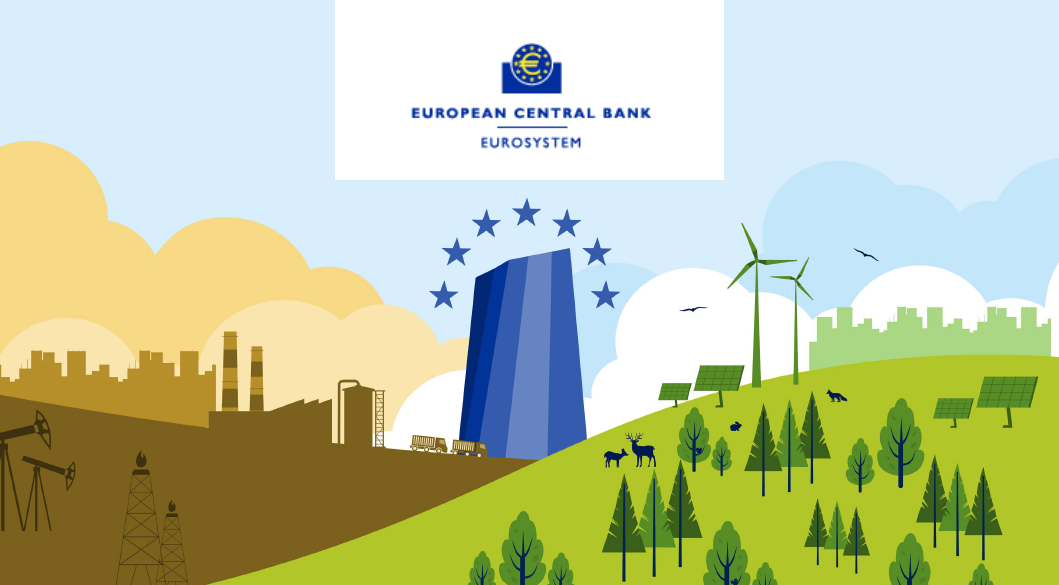
On 16 January 2026, the European Central Bank (ECB) announced that it had completed the implementation of its Climate and nature plan 2024-2025 and outlined how climate change and nature degradation would continue to be addressed within its mandate. The announcement confirms that climate and nature considerations have been embedded into the ECB’s regular activities rather than treated as stand-alone initiatives.
The ECB reiterated that climate change and nature degradation affect the economy and the financial system and therefore have implications for price stability and financial risks. As a result, these factors are now systematically reflected in the ECB’s analytical work, policy implementation and internal operations.
Delivering on the Climate and Nature Plan 2024-2025
The Climate and nature plan 2024-2025, published in January 2024, set out a framework to expand existing climate-related actions and to explore three focus areas over the two-year period. According to the ECB, the plan has now been delivered as intended. Climate and nature risks have been integrated into macroeconomic analysis, monetary policy considerations, banking supervision and financial stability assessments.
The ECB also confirmed that climate-related elements were incorporated into its collateral framework and balance sheet management. In parallel, work continued on improving climate-related data, developing analytical tools and reducing the environmental footprint of the ECB’s own operations and non-monetary policy portfolios.
Focus Areas Guiding the ECB’s Work
The completed plan was structured around three focus areas that remain relevant for the ECB’s ongoing work. The first focus area concerns navigating the transition to a green economy. This includes analysing how the transition progresses, assessing related economic and financial risks and understanding investment flows required for the transformation.
The second focus area addresses the increasing physical impact of climate change. The ECB has sought to improve its understanding of how extreme weather events and climate adaptation needs affect macroeconomic variables and the financial system.
The third focus area relates to advancing work on nature-related risks. The ECB recognises that nature loss and degradation are closely linked to climate change and can lead to financial risks. Further analysis has therefore been undertaken to better assess the implications of biodiversity loss and ecosystem degradation for monetary policy and financial stability.
Implications for Banks and Supervision
In its January 2026 announcement, the ECB confirmed that future work will include closer attention to how banks manage climate-related and environmental risks. This includes enhanced monitoring of banks’ prudential transition plans and a deeper assessment of physical climate risks within the supervisory framework.
Climate and environmental risks remain a supervisory priority, reflecting the ECB’s view that these risks can affect banks’ resilience and the stability of the financial system. The ECB indicated that it will continue to integrate such risks into prudential frameworks while supporting improved climate-related disclosures.
Looking Ahead
The ECB emphasised that its climate and nature work will continue to evolve in line with its mandate. Having embedded climate and nature considerations into its core processes, the ECB will build on the analytical foundations established under the 2024-2025 plan.